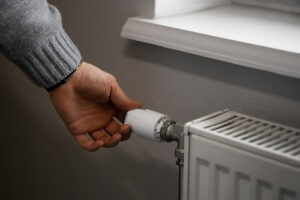

Your central heating system affects not only your home’s comfort but also your energy bills. With around 92% of homes in England using central heating, many households experience higher costs due to inefficient or poorly maintained systems.
This is why trusted local experts strongly recommend regular central heating servicing. Home heating accounts for approximately 14% of the UK’s carbon emissions, meaning even small improvements in efficiency can benefit both your finances and the environment. Routine servicing ensures your heating system runs smoothly, reduces energy waste, and keeps your home warm and comfortable throughout the year.
1. Reduced Energy Costs Through Improved Efficiency
A well-maintained central heating system uses less energy to heat your home. Over time, dust, sludge, and minor faults can build up inside the system, forcing it to work harder and consume more fuel.
Professional servicing ensures all components are cleaned, balanced, and operating correctly. This allows your boiler to burn fuel efficiently and your radiators to heat evenly. As a result, you enjoy lower energy bills, fewer unexpected costs, and consistent warmth without unnecessary energy use.
2. Fewer Costly Breakdowns and Repairs
Heating system breakdowns can be stressful and expensive, especially during the colder months. During a service, a qualified engineer checks key components and identifies small issues before they turn into major problems.
Homeowners who schedule regular central heating servicing in Milton Keynes often experience fewer unexpected breakdowns and reduced repair costs. Preventive maintenance is a simple and effective way to avoid emergency call-outs and keep your system running reliably.
3. Longer Lifespan for Your Heating System
A central heating system that is properly maintained will last significantly longer than one that is neglected. Regular servicing reduces strain on vital components such as the boiler, pump, and valves, helping them operate efficiently for many years.
By keeping these parts in good condition, you can delay the need for costly system replacements. Regular servicing is a smart investment that protects your heating system and preserves your home’s long-term value.
4. Improved Safety for Your Home and Family
Regular servicing is essential for household safety. Faulty boilers or gas-related issues can pose serious risks, including gas leaks or carbon monoxide exposure.
During servicing, engineers check for leaks, ventilation problems, and faulty connections to ensure the system meets safety standards. This protects your family from potential hazards and reduces the risk of costly emergency situations.
5. Reduced Environmental Impact
Heating systems play a major role in your home’s carbon footprint. When your system operates efficiently, it uses less fuel and produces fewer harmful emissions.
Regular servicing reduces energy waste, supports environmental sustainability, and ensures your heating system performs at its best. By maintaining your system, you not only save money but also contribute to a cleaner and greener environment.
Read More: How Often Should Radiators Be Replaced?
Conclusion
Regular central heating servicing is a smart and cost-effective decision for homeowners. It lowers energy bills, prevents unexpected breakdowns, extends system lifespan, improves safety, and reduces environmental impact.
Small maintenance steps today can lead to significant long-term savings and fewer future problems. By choosing a trusted central heating service provide, you ensure your heating system runs efficiently and safely all year round. Regular servicing offers long-term comfort, reliability, and peace of mind.
Frequently Asked Questions
How often should central heating servicing be done?
Central heating systems should be serviced once a year. Annual servicing helps detect small issues early, improves efficiency, and reduces the risk of winter breakdowns.
Does regular servicing help reduce energy bills?
Yes. Regular servicing ensures your system operates efficiently, using less energy and lowering your heating costs.
What happens if I skip regular servicing?
Without servicing, dust, sludge, and faults can build up, placing extra strain on the system. This often leads to breakdowns, higher repair costs, and reduced efficiency.