The cold season usually comes sooner than you think. You may be going through mild evenings one day, and the next you need to turn on your heating. It is a good idea to find out if your house is able to keep the cold off in a safe and energy-saving way before you actually turn your heating on. Minor inspections will aid in avoiding incidents, they will increase energy efficiency, and keep your family safe when it is cold.
To be absolutely sure of your safety, a gas safe engineer in Milton Keynes can perform a detailed safety check of your heating system. These are the main inspections that any homeowner should do before the winter season.
Test Your Heating System Early
It is very common that a lot of people who own a house decide to turn on the heating system after the temperature drops and then find out that their radiators are cold or the boiler is not working properly. In fact, switching on your heating a couple of weeks prior to the cold season will allow you to figure out any malfunctions. Try to detect any weird sound coming from the boiler, see if the heat reaches the radiators equally, and also test if the thermostat changes the temperature when you adjust it.
In case something still looks unusual, do not disregard it. What is a small issue now can grow into a more significant and costly trouble when the cold season arrives.
Book a Professional Boiler Service
Essentially, your boiler is the one that puts in the most work during the winter, thus it needs an annual service. A professional gas safe engineer in Milton Keynes will definitely ensure there are no gas leaks and make sure your boiler is operating safely. Besides that, regular servicing is also a preventive measure that keeps the boiler in good working condition and, thus, energy bills during the cold period can be lowered.
Hidden problems like carbon monoxide leaks, low pressure, or faulty ignition systems can be revealed by a professional inspection. These issues are not always evident, but can cause dangers of a great nature if the problems continue.
Bleed Your Radiators
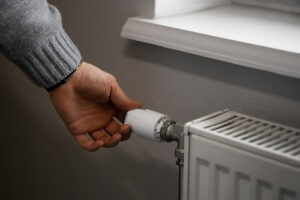
When your radiators are slow to warm up or if they seem to be warm at the bottom but cold at the top, then it is quite likely that there is some air trapped inside. Bleeding your radiators removes this trapped air and allows hot water to circulate properly. By doing this minor but necessary work, you can not only save energy but also make sure that the temperature in every room of your house is even.
Once you have released air from the radiators, have a look at the boiler pressure gauge. Letting air out of the system can lower the pressure, and it is quite possible that you will have to add some water to bring it back to the correct level.
Read More: How Often Should Radiators Be Replaced?
Inspect Your Home for Draughts
No matter how good your heating system is, it won’t work efficiently if your home is getting cold air from outside. Look around your windows, doors, loft hatches, and letterboxes for any gaps through which heat can leak. Draught excluders, sealing strips, and insulation tape are easy means of making sure that the warm air stays in and the cold air is kept out.
By reducing draughts, you not only make your home more comfortable, but you also enable your heating system to consume less energy to keep the temperature at the level you want.
Test Smoke and Carbon Monoxide Alarms
Such alarms should be tested before the cold season comes, and new batteries must be put in, if necessary. In case your alarm has already exceeded the ten years of its lifetime, think of a total replacement of the device. A gas safe engineer in Milton Keynes, during a routine service, can also check your safety alarms to see whether they are in working condition.
What makes carbon monoxide extremely dangerous is that it doesn’t have any colour or smell. A good condition alarm can be a lifesaver; therefore, one should never overlook the necessity of this step.
Check Your Pipes and Insulation
When the pipes in your home are frozen, they can explode and, as a result, your property can be severely damaged. In addition to that, you will be without heating and hot water. Check out the pipes that are in the attic, garage, or outside. If they are not insulated, then wrapping them with foam pipe sleeves will save them from freezing. Also, ensure that the insulation in your attic is still of good quality and that it is thick enough to keep your house warm.
Good insulation prevents your heating system from being overworked and also helps you to keep a nice temperature during the whole winter.
Read More: What to Do in the Middle of the Night When Your Pipes Burst
Final Thoughts
Getting your home ready for winter heating does not have to be complicated. A couple of small checks and an annual boiler service can prevent you from experiencing a breakdown and having to pay for it. Most importantly, it will keep your home safe. If you are ever in doubt, a gas safe engineer near you can provide expert assistance and ensure your heating is working properly.